Book
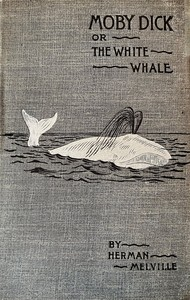
Moby-Dick
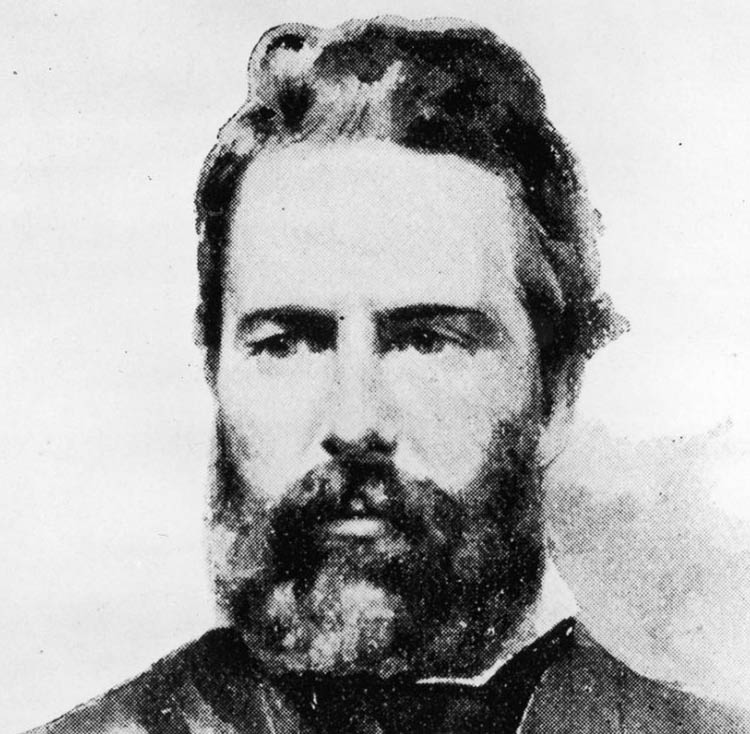 Herman Melville
Moby-Dick is an 1851 novel by Herman Melville narrated primarily by the sailor Ishmael. Its voyage aboard the Pequod becomes Captain Ahab's obsessive pursuit of the white whale Moby Dick.
From the book
Quotes from “Moby-Dick”
Continue exploring
You may also like
Book
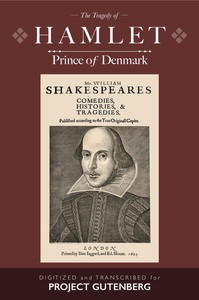
Hamlet
Hamlet is a tragedy by William Shakespeare about a Danish prince confronting his father's death, his mother's remarriage, and a demand for revenge. The play examines grief, conscience, performance, political power, and mortality.
Related ideas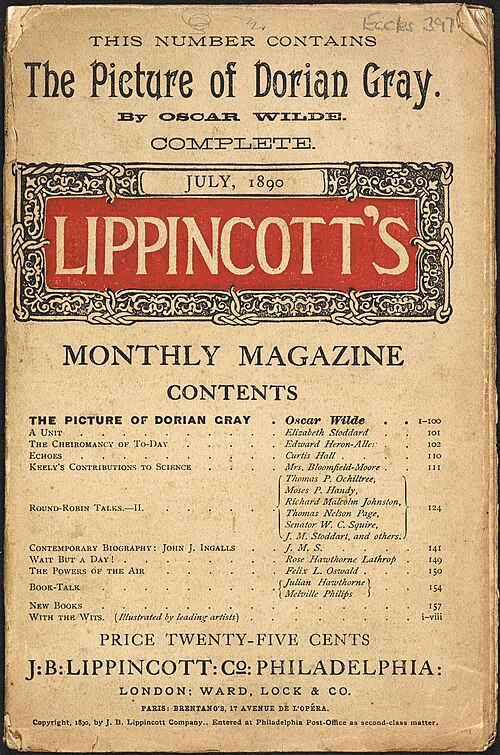
Book · 1890
The Picture of Dorian Gray
The Picture of Dorian Gray is a novel by Oscar Wilde about a young man whose portrait bears the visible consequences of his choices. The book combines Gothic elements with questions about beauty, influence, pleasure, secrecy, and moral responsibility.
Related ideas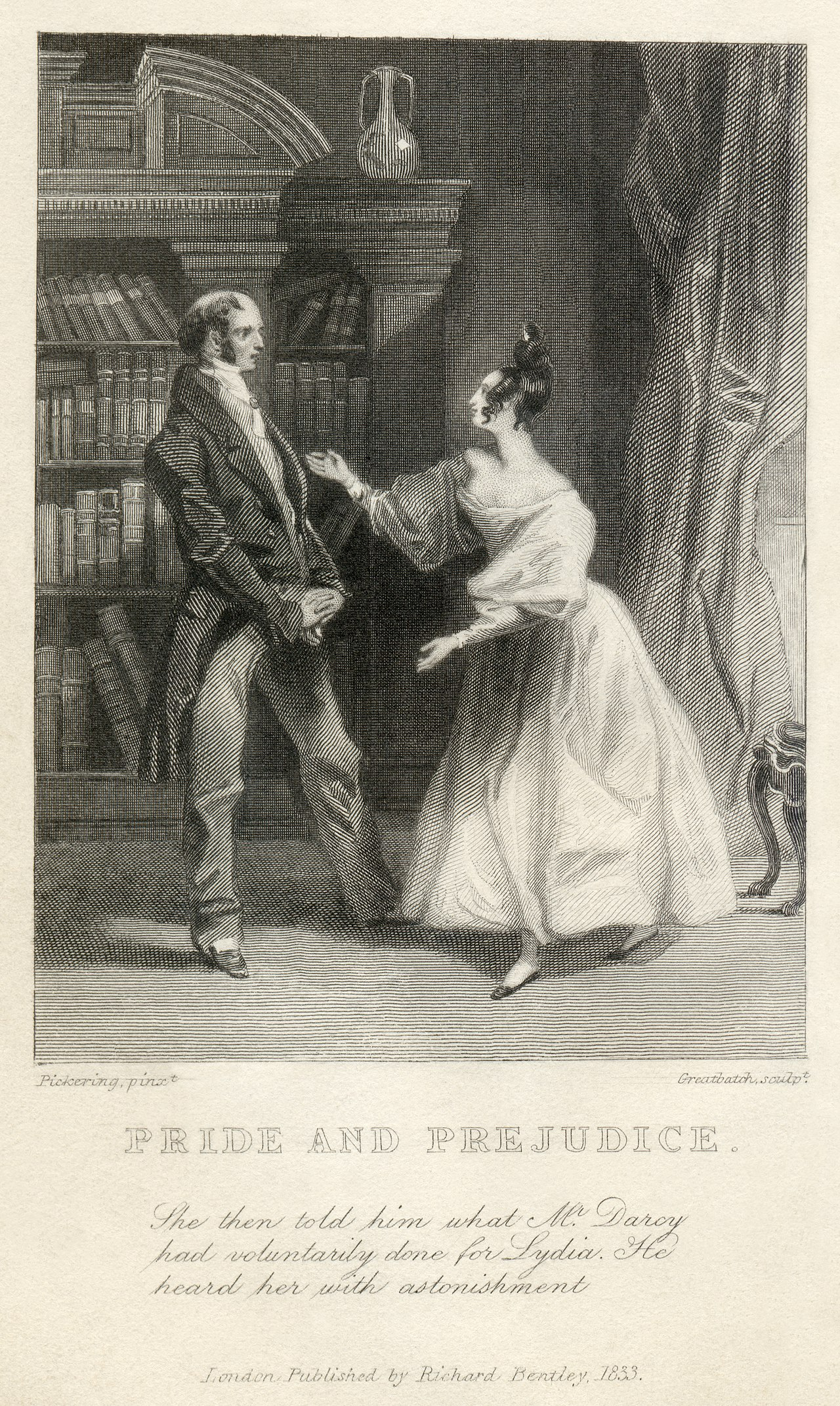
Book · 1813
Pride and Prejudice
Pride and Prejudice is an 1813 novel by Jane Austen centered on Elizabeth Bennet and Fitzwilliam Darcy. Their changing judgments unfold within a comedy of manners about family, marriage, money, and social rank.
Related ideas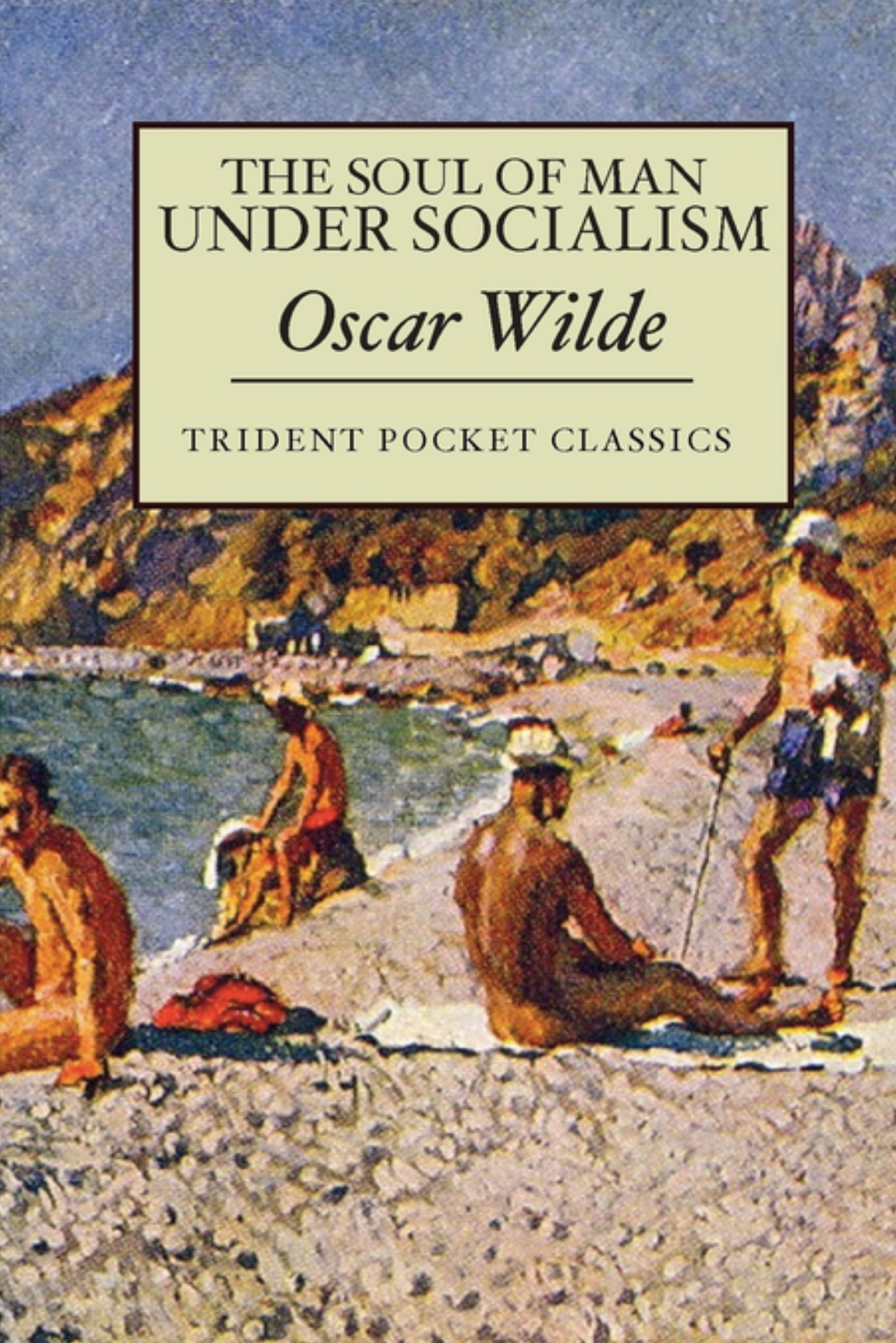
Book
The Soul of Man under Socialism
The Soul of Man under Socialism is an essay by Oscar Wilde first published in the Fortnightly Review in 1891. It argues that abolishing private property could enable individual development, while warning that authoritarian socialism would create a new form of tyranny.
Related ideas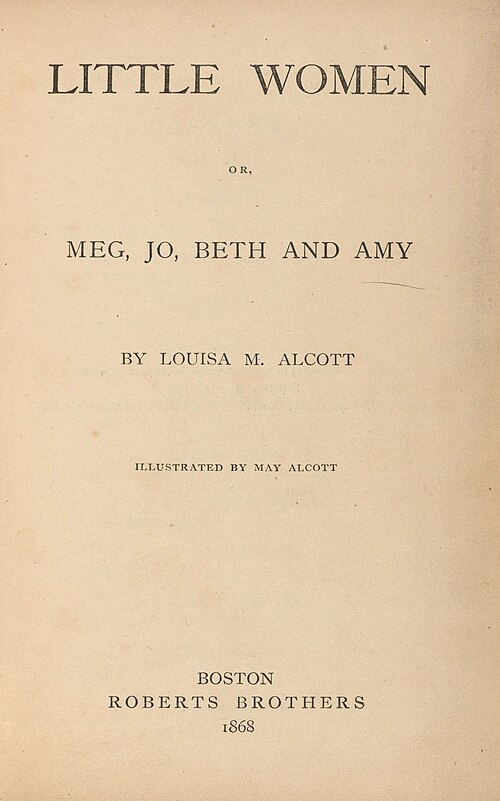
Book · 1868
Little Women
Little Women is a two-volume novel by Louisa May Alcott first published in 1868 and 1869. It follows the March sisters as they move from adolescence toward adult work, relationships, loss, and artistic ambition.
Related ideas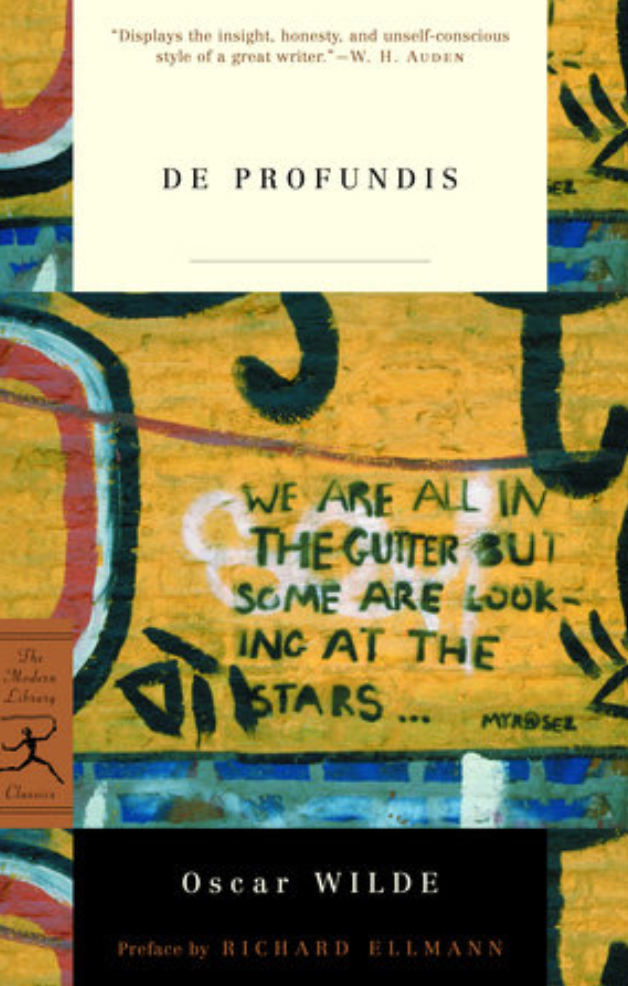
Book
De Profundis
De Profundis is a long letter Oscar Wilde wrote to Lord Alfred Douglas while imprisoned in Reading Gaol in 1897. The work reflects on their relationship, Wilde's suffering, artistic identity, and spiritual change. Robert Ross first published an abridged version in 1905, with later editions restoring more of the text.
Related ideas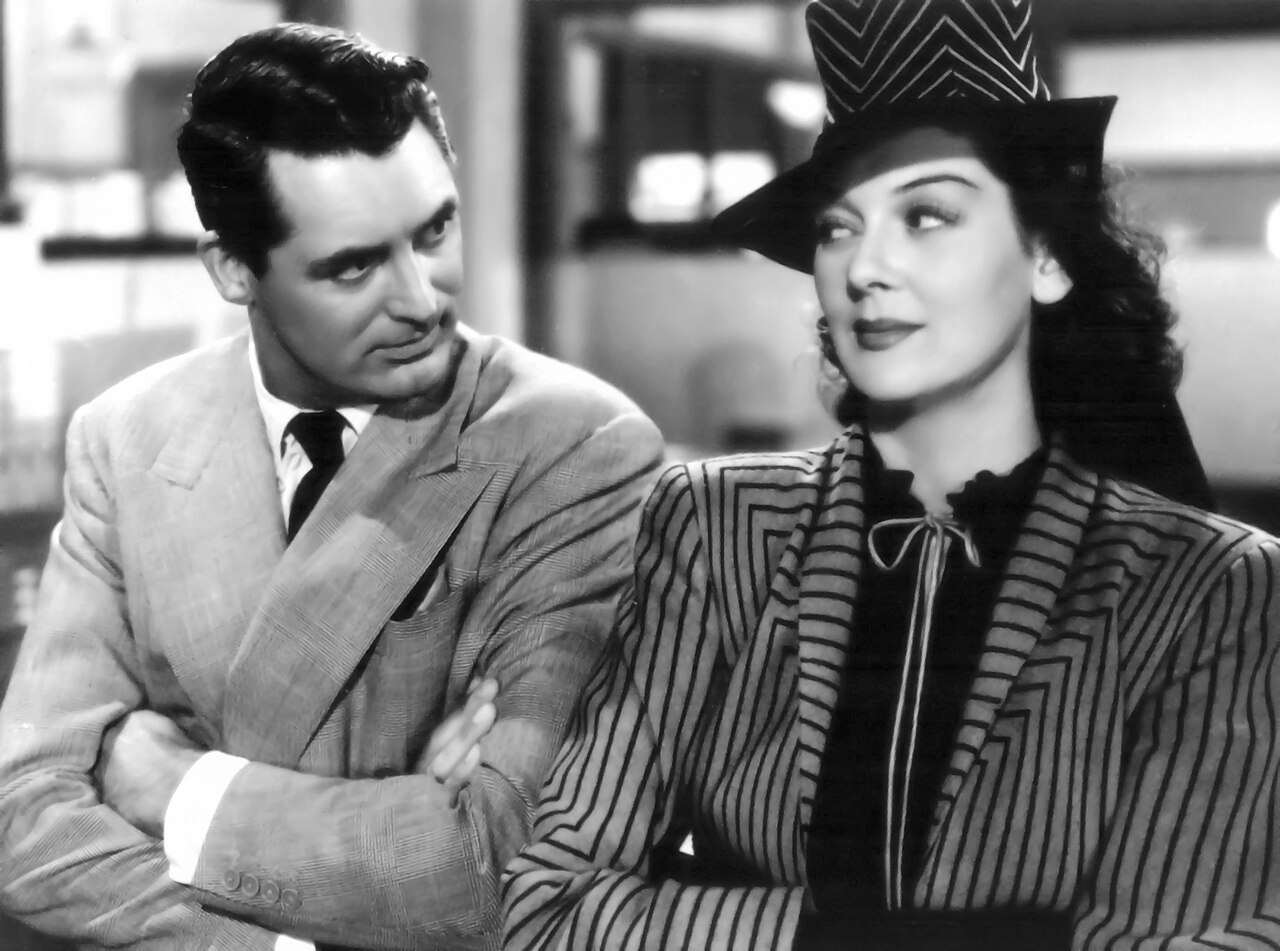
Movie · 1940
His Girl Friday
His Girl Friday is a 1940 American screwball comedy film directed by Howard Hawks, starring Cary Grant and Rosalind Russell and featuring Ralph Bellamy and Gene Lockhart. It was released by Columbia Pictures.
Related ideas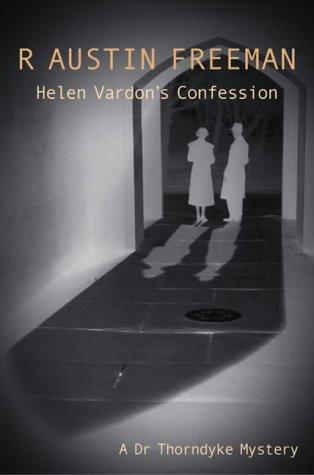
Book
Helen Vardon's confession
Helen Vardon's confession is a literary work by R. Austin Freeman. Its themes and subject matter include Artists and Detective and mystery stories. Together, these subjects provide the book with its main literary, historical, social, or intellectual context.
Related ideas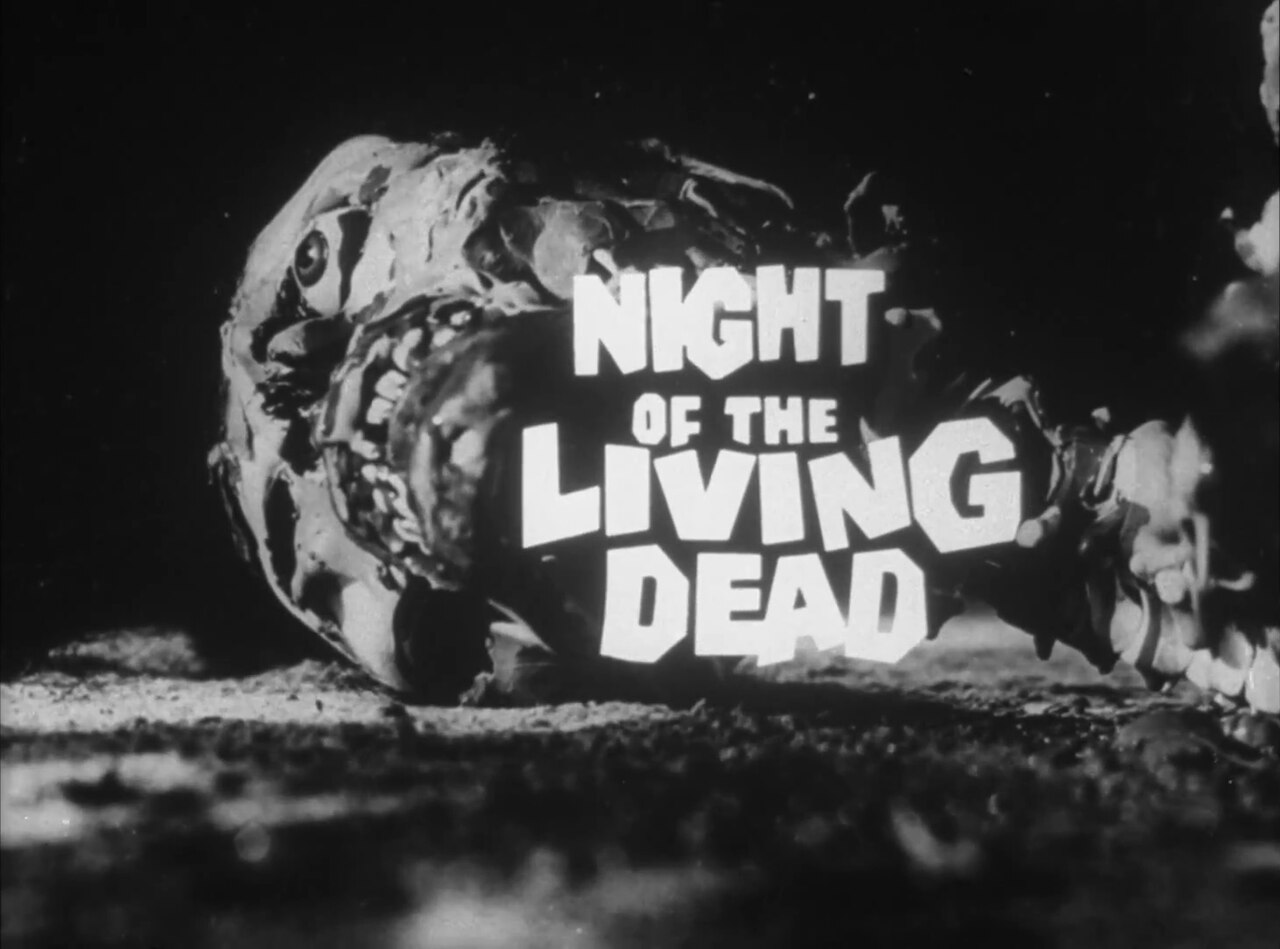
Movie · 1968
Night of the Living Dead
Night of the Living Dead is a 1968 American zombie horror film directed, photographed, and edited by George A. Romero, written by Romero and John Russo, and produced by Russell W. Streiner and Karl Hardman. The independent film's ensemble cast—which includes Duane Jones, Judith O'Dea, Marilyn Eastman, Karl Hardman, Judith Ridley, and Keith Wayne—star as a group of people trapped in a farmhouse in rural Pennsylvania, under assault by flesh-eating reanimated corpses.
Related ideas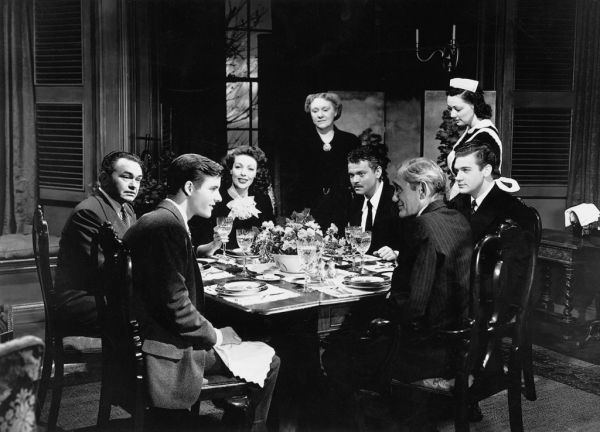
Movie · 1946
The Stranger
The Stranger is a 1946 American thriller film noir directed and co-written by Orson Welles, starring himself along with Edward G. Robinson and Loretta Young. Welles's third completed feature film as director and his first film noir, it centers on war crimes investigator Wilson tracking high-ranking Nazi fugitive Franz Kindler to a Connecticut town.
Related ideas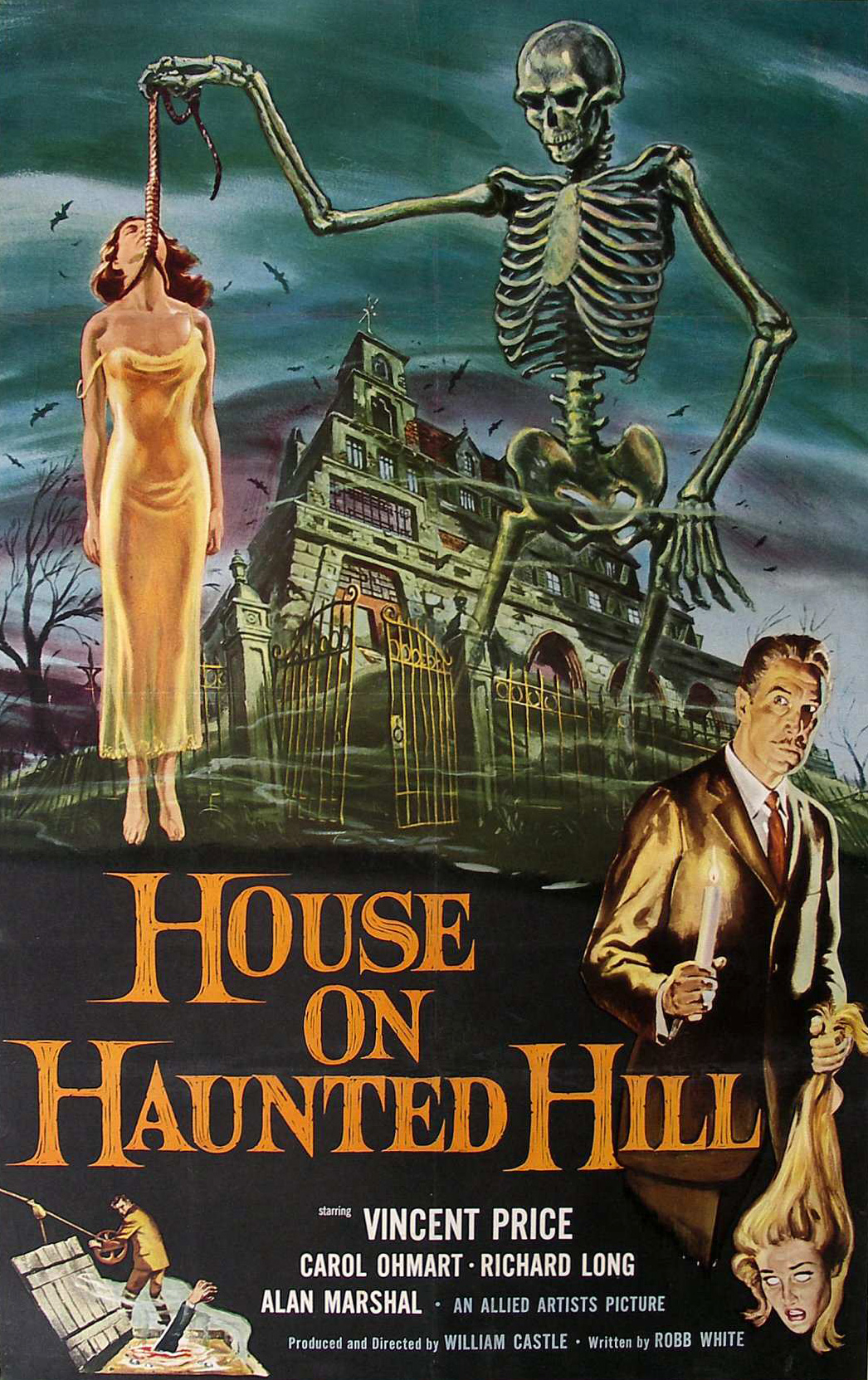
Movie · 1959
House on Haunted Hill
House on Haunted Hill is a 1958 American horror film produced and directed by William Castle, written by Robb White and starring Vincent Price, Carol Ohmart, Richard Long, Alan Marshal, Carolyn Craig, Julie Mitchum, and Elisha Cook Jr. Price plays an eccentric millionaire, Frederick Loren, who, along with his wife Annabelle, has invited five people to the house for a "haunted house" party. Whoever stays in the house for one night will earn $10,000.
Related ideas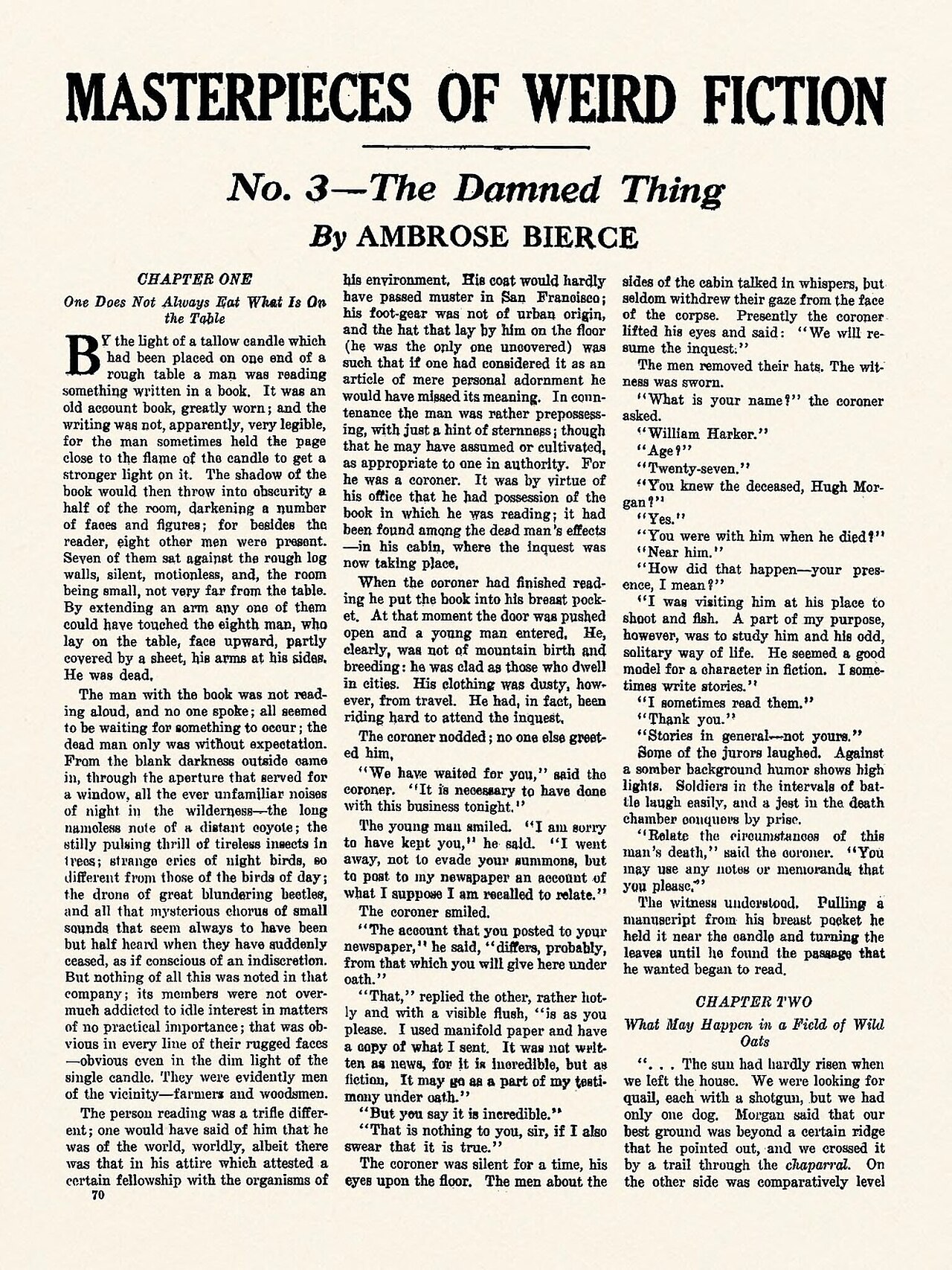
Book · 1893
The Damned Thing
"The Damned Thing" is a horror short story written by American Civil War soldier, wit, and writer Ambrose Bierce. It first appeared in Town Topics on December 7, 1893. The work draws on horror fiction.
Related ideas